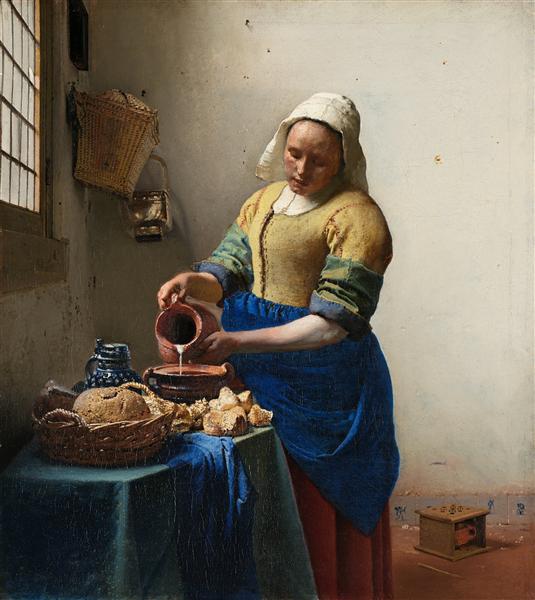
Most nights are not feast nights. There is no special saint to honor, no liturgical color to plan around, just a Tuesday with tired kids and whatever is left in the fridge. But an ordinary dinner does not have to feel like an afterthought. A few small, repeatable habits can turn even the plainest meal into something that feels like it matters, because it does.
Light a candle, even for spaghetti
You do not need a reason to light a candle. The simple act of lighting one, even on a night when dinner is leftovers reheated in a hurry, signals to everyone at the table that this meal is set apart from the rest of the day. It costs nothing and takes ten seconds, but it changes the room.
Say grace like you mean it
It is easy to let grace become a mumbled formality, especially with young children who rush through it to get to the food. Slow it down. Let one child lead some nights. Add a specific thank you, for the person who cooked, for the friend who is struggling, for the weather that let the tomatoes ripen. The words stay the same, but the attention does not have to.

Use the good plates sometimes
There is no rule that the nice dishes are only for guests or holidays. Pulling them out for a random Wednesday tells your family they are worth the good china too. The same goes for cloth napkins, a real tablecloth, or the mismatched vintage plates from your grandmother’s kitchen. These things are meant to be used, not saved for a day that may never come.
Name the meal
Instead of “chicken and rice again,” call it what it is with a little more care: “Grandma’s chicken and rice” or “the soup we had the week it snowed.” Giving a dish a name turns it into part of your family’s story instead of just food that appeared on the table.
Turn off the screens, even briefly
Ten minutes of a fully present table, no phones, no shows playing in the background, does more for a sense of intentionality than any tablescape ever could. The food does not have to be elaborate if the attention is real.

Let the kids help with something small
Setting the table, folding napkins, choosing which serving bowl to use. Small tasks give children a stake in the meal and teach them, without a single word about it, that mealtime is a thing worth preparing for.
Close with a small prayer
A short prayer of thanksgiving after the meal, a single question everyone answers (“what was the best part of your day”), or even just staying seated for two extra minutes before clearing plates. The point is not the specific ritual. The point is having one, so the meal has a clear beginning and end instead of dissolving into everyone drifting off to their own corners.
None of this requires a special occasion or a Pinterest-worthy table. It requires deciding, on a regular Tuesday, that the people around your table are worth this small amount of care. That decision, repeated night after night, is what makes a house feel like a home built around Christ, one ordinary dinner at a time.